
3000 Products Found


Kayaba (KYB) Genuine Motorcycle Parts

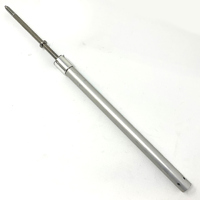
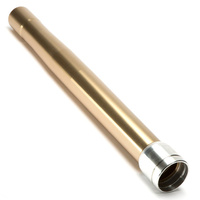
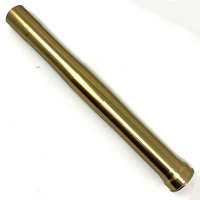
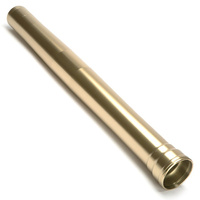
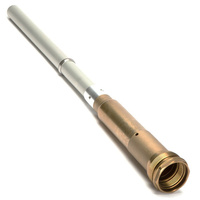
Outertube comp KX 80/85 till 2013

Original KYB Japan Motorcycle Suspension Parts
(SKU: 110753600201)
Outside Ø D (mm):   46.0
Length L1 (mm):   500
Outside Ø D1 (mm):   49.5
 
$641.85
3 In Stock

Kayaba (KYB) Genuine Motorcycle Parts

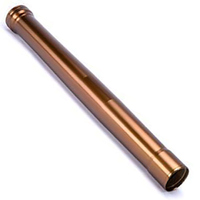
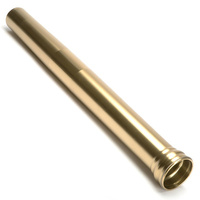
Outertube comp YZ65 19-

Original KYB Japan Motorcycle Suspension Parts
(SKU: 110753600801)
Outside Ø D (mm):   46.0
Length L1 (mm):   445
Outside Ø D1 (mm):   49.4
 
$641.85
2 In Stock


Kayaba (KYB) Genuine Motorcycle Parts

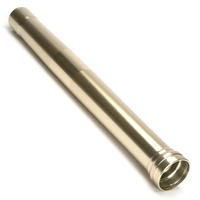
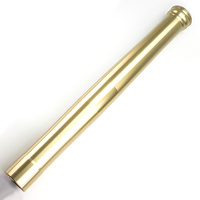
Outertube comp KX250F 20-, KX450F 11-12

Original KYB Japan Motorcycle Suspension Parts
(SKU: 110754803301)
Outside Ø D (mm):   54.0
Length L1 (mm):   570.0
Outside Ø D1 (mm):   59.2
 
$641.85
2 In Stock


Kayaba (KYB) Genuine Motorcycle Parts

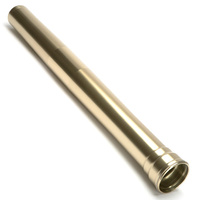
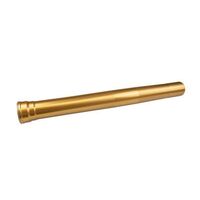
Outertube comp RMZ250 19-

Original KYB Japan Motorcycle Suspension Parts
(SKU: 110754804701)
Outside Ø D (mm):   55.0
Length L1 (mm):   566
Outside Ø D1 (mm):   59.2
 
$641.85
1 In Stock


Frequently Asked Questions

Most current model motorcycles  use conventional or upside-down (USD) forks, with various different internal architectures depending on the make, model, year, purpose and price point. Fork design determines which springs, seals, cartridges and tuning parts will fit. Use the Teknik Part Finder to select your bike and identify compatible suspension parts and upgrades.

The correct fork springs depend on your motorcycle, rider weight, riding gear, luggage and how the bike is used. Standard springs are designed around an average rider (normally 85kg) and may be too soft or stiff for you. Selecting the correct spring rate helps get your rider sag correct so the forks operate in the intended part of their travel which improves handling, braking and comfort.

Preload changes the starting position of the suspension within its available travel. Compression damping controls how quickly the forks compress when hitting bumps or under braking, while rebound damping controls how quickly they extend again. These adjustments perform different jobs and work together with the correct fork spring rate to control the motorcycle.

There are a million and one reasons your forks could be feeling too hard or soft. It may be they need servicing, the spring rate or damping may not be up to your use case or perhaps the OEM equipment is just not particularly good.
In any case because there are so many causes for this issue it's best you get in contact with us. The best way is to use the form on our contact us page, we do our best to reply to every enquiry within 1 business day.

Forks bottom out when they use all of their available suspension travel. This may be caused by springs that are too soft, insufficient compression damping, incorrect oil height or demands that exceed the current suspension setup. Occasional full travel can be normal, but frequent or harsh bottoming usually indicates that the fork setup needs attention.
Fork spring rate should support the combined load of the rider, riding gear and any additional weight while maintaining the correct suspension ride height. A heavier rider will generally require a higher spring rate, while a lighter rider may require a softer spring. Bike type and riding style should also be considered when selecting a spring rate.
If your forks use too much travel, dive excessively under braking or regularly bottom out, the springs may be too soft. If the bike sits too high in its travel, feels harsh or does not use enough travel, they may be too stiff. Spring rate should be assessed before trying to correct these problems with damping adjustments alone.
Fork service intervals vary according to the motorcycle, riding conditions and bike use. Dirt, competition and adventure riding can require more frequent servicing than normal road use. Regular servicing replaces degraded oil and worn components before suspension performance deteriorates significantly or expensive components like tubes become damaged. For any kind of dirt riding, especially on modified suspension we would recommend servicing at least every 2 years but heavier usage such as MX could require servicing every 6 months.
A typical fork service includes fresh oil, seals, wipers and O-rings and an inspection of bushes and other wear components. Parts should be replaced according to their condition rather than automatically replacing every internal component. A thorough service also provides an opportunity to inspect the fork tubes and internal components for wear, damage or contamination.
A fork service restores the suspension by replacing oil, seals and worn components as required. A revalve changes the internal damping characteristics to better suit the rider, motorcycle or intended use. If the forks are simply overdue for maintenance, servicing may be enough. If the suspension behaviour needs changing, revalving or other tuning may be recommended.
Aftermarket fork springs can be a worthwhile upgrade when the standard spring rate does not suit your weight, load or riding style. Correct springs help the motorcycle maintain its intended geometry and allow the damping system to work more effectively. They are often one of the first suspension changes to consider before more extensive internal tuning.

Start with the motorcycle's make, model and year, as fork specifications can vary even between similar models. Use the Teknik Part Finder to narrow the range to compatible fork springs, seals, service parts, tools and suspension upgrades. If you are unsure about your fork specification or required setup, contact Teknik Motorsport before ordering.